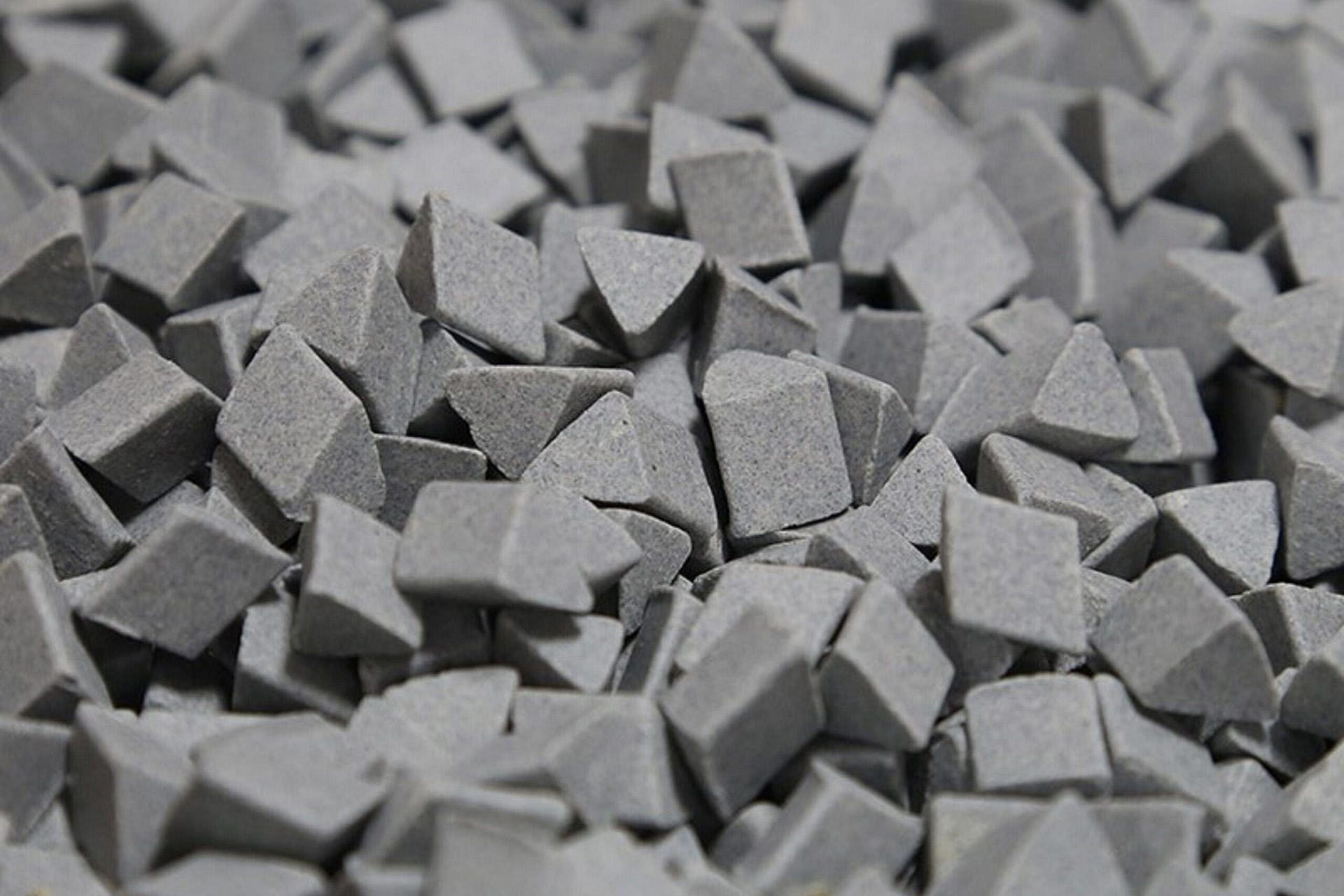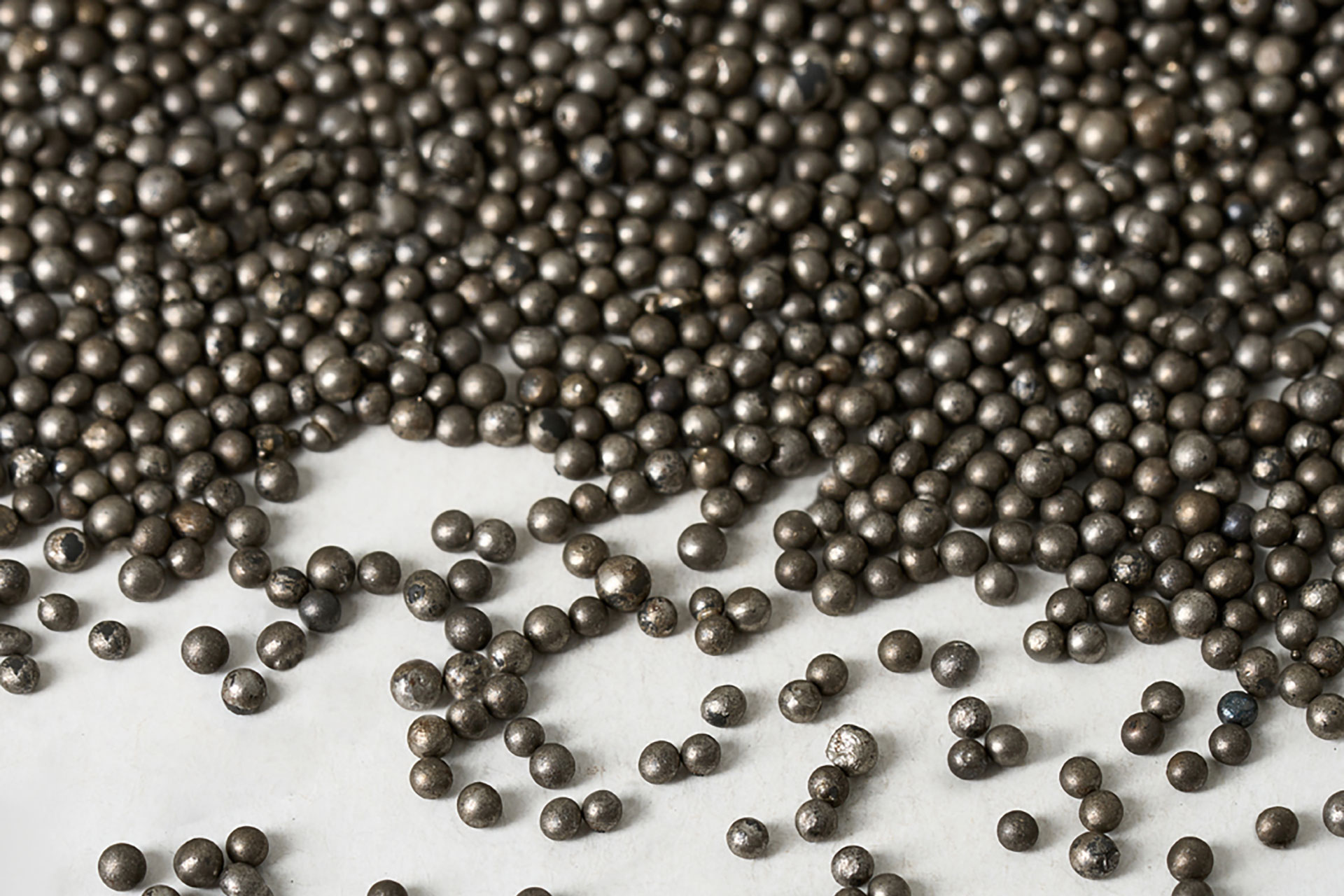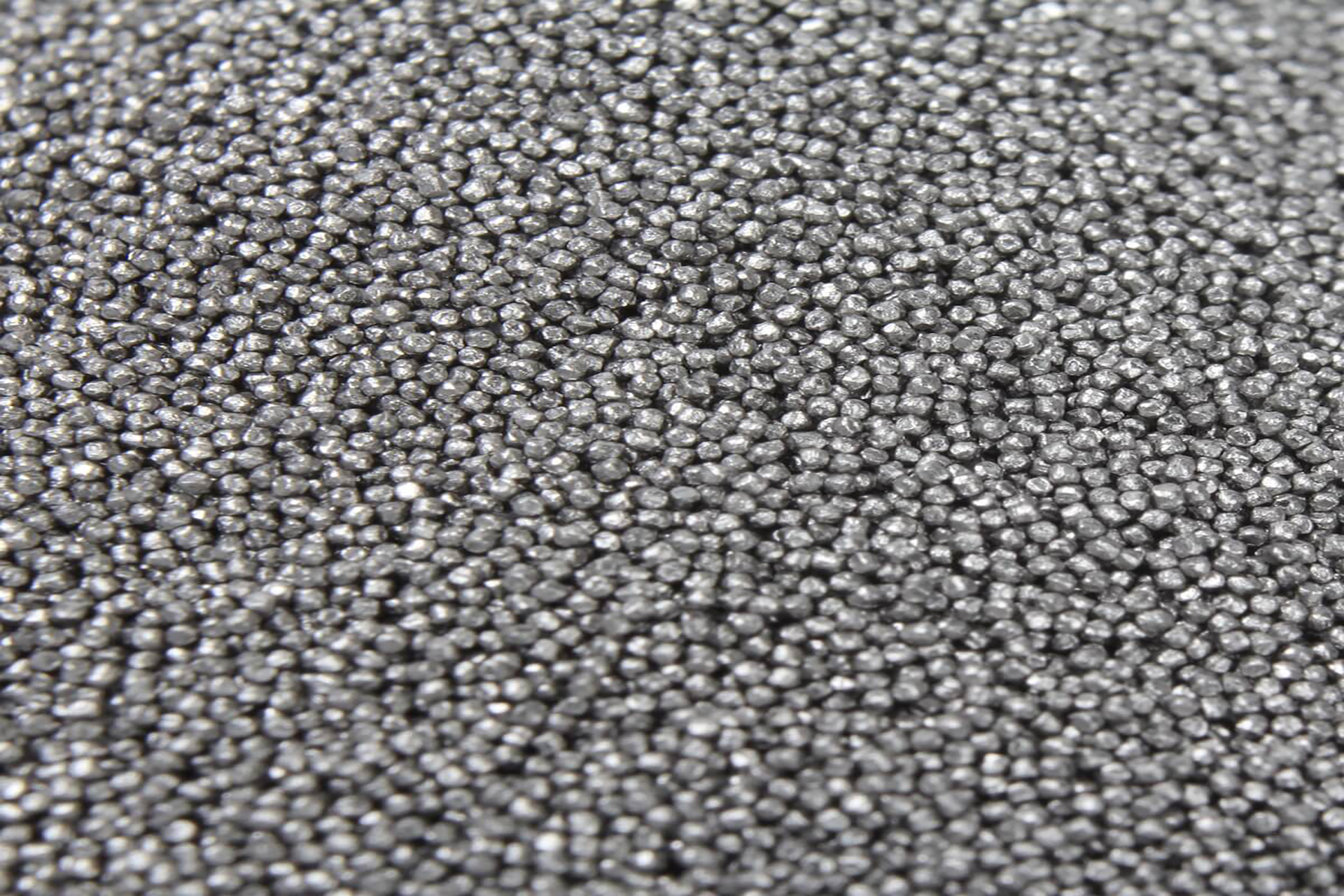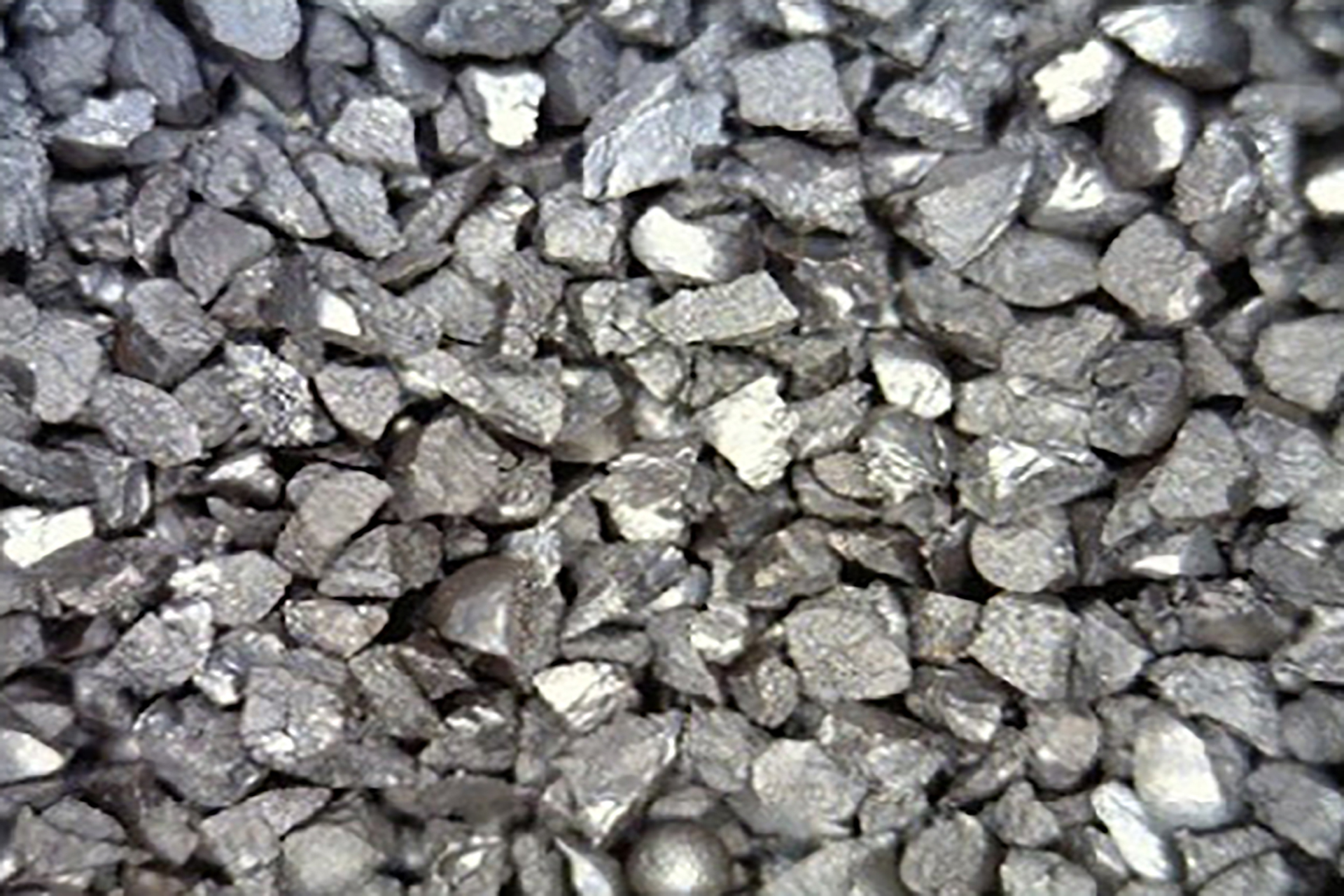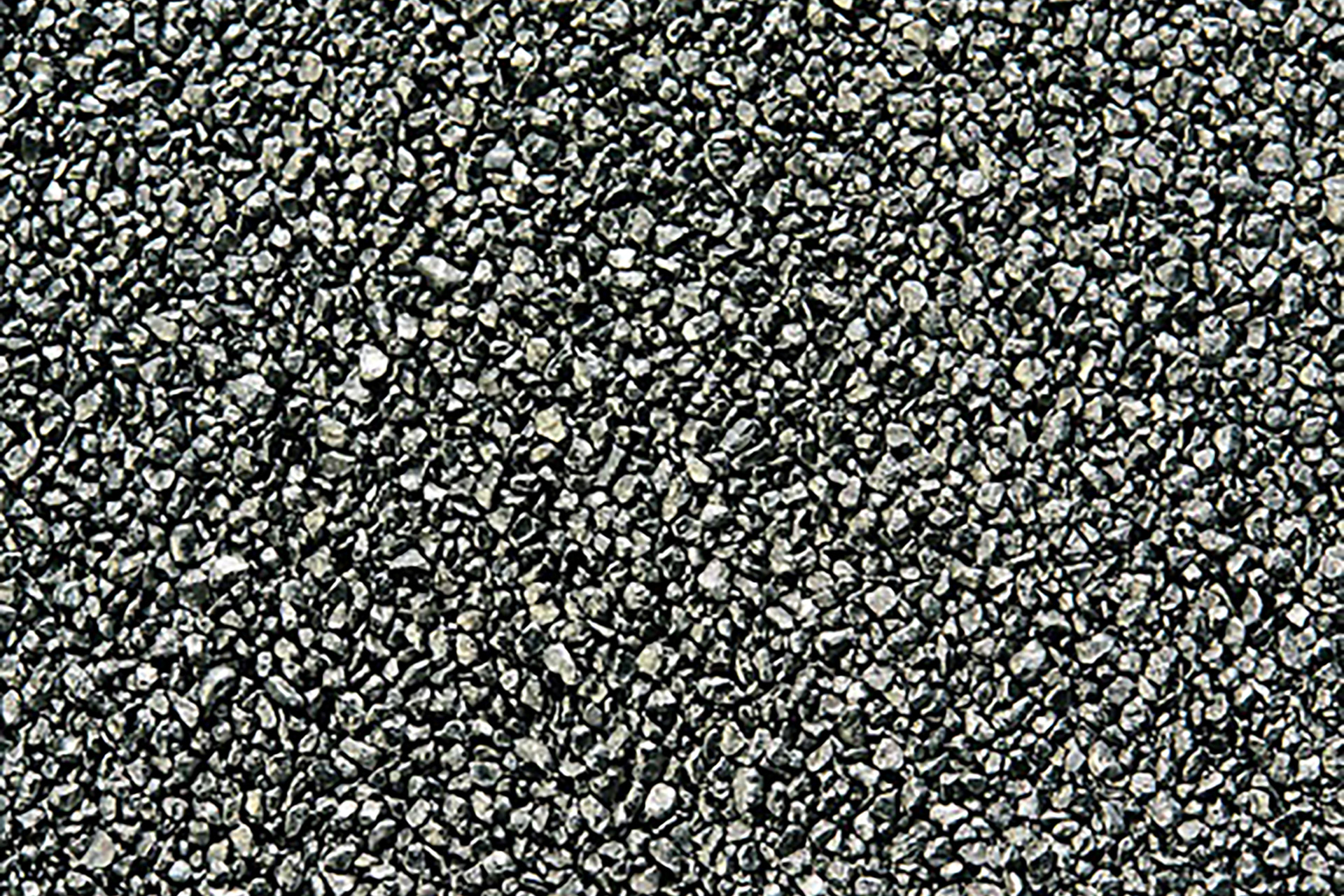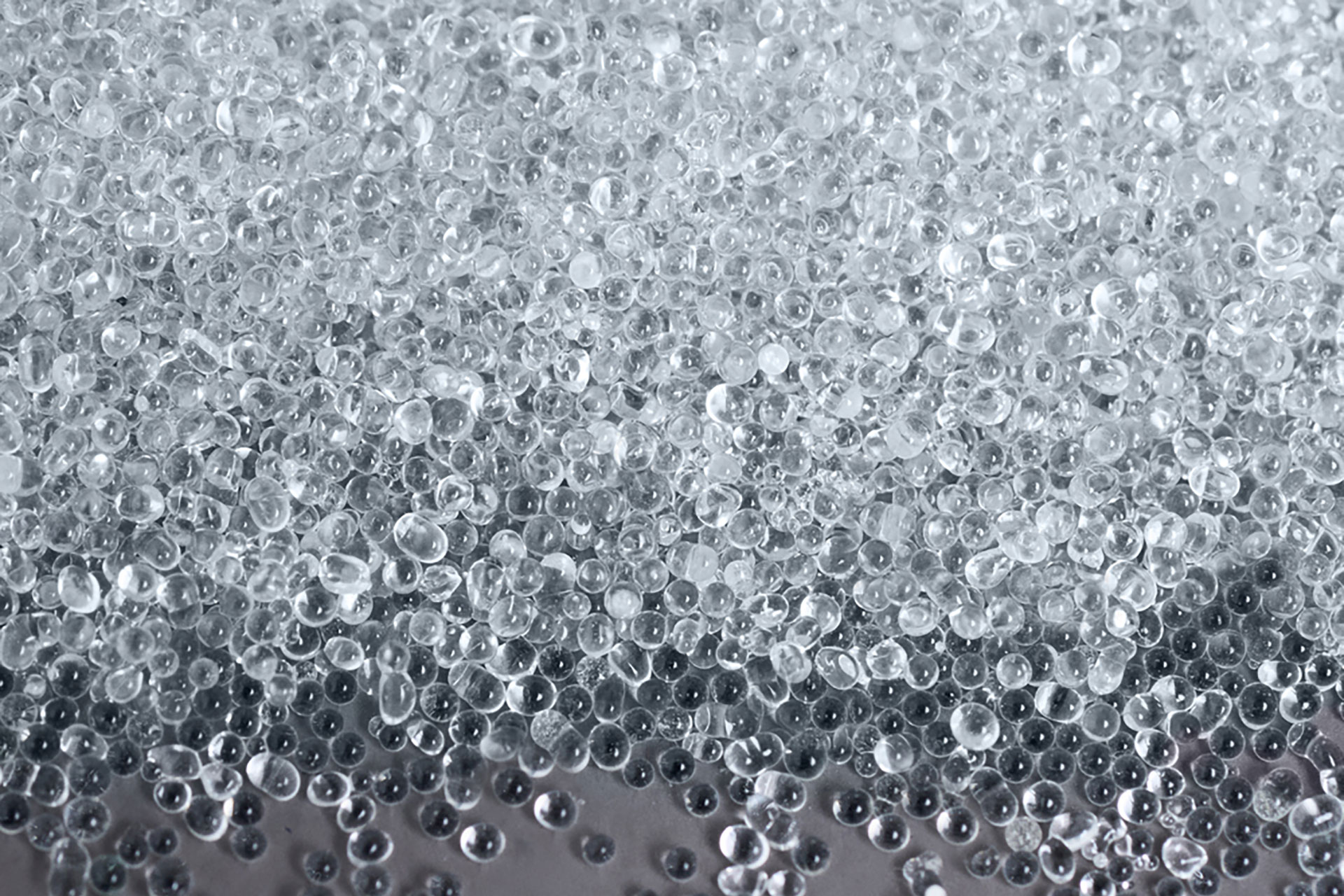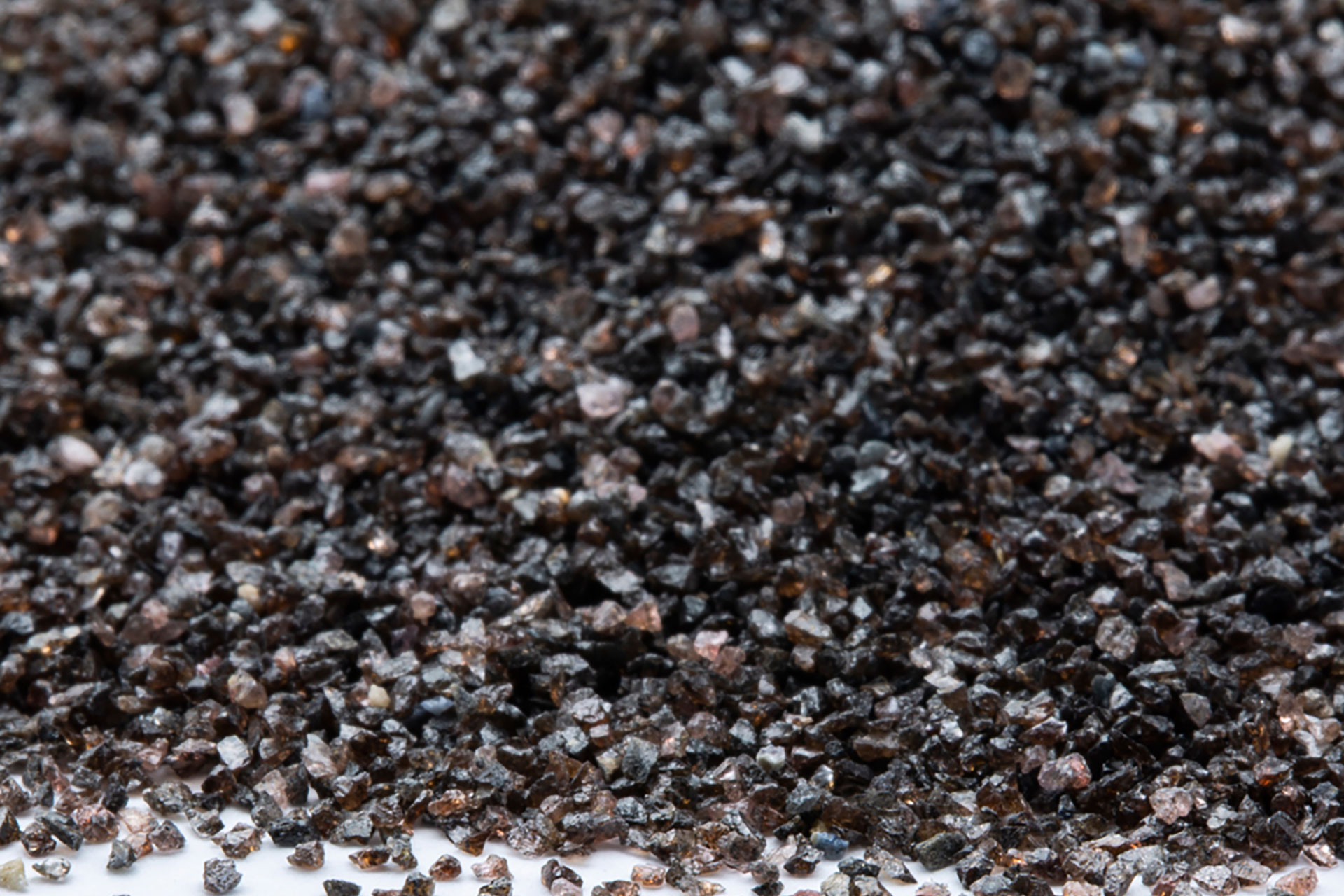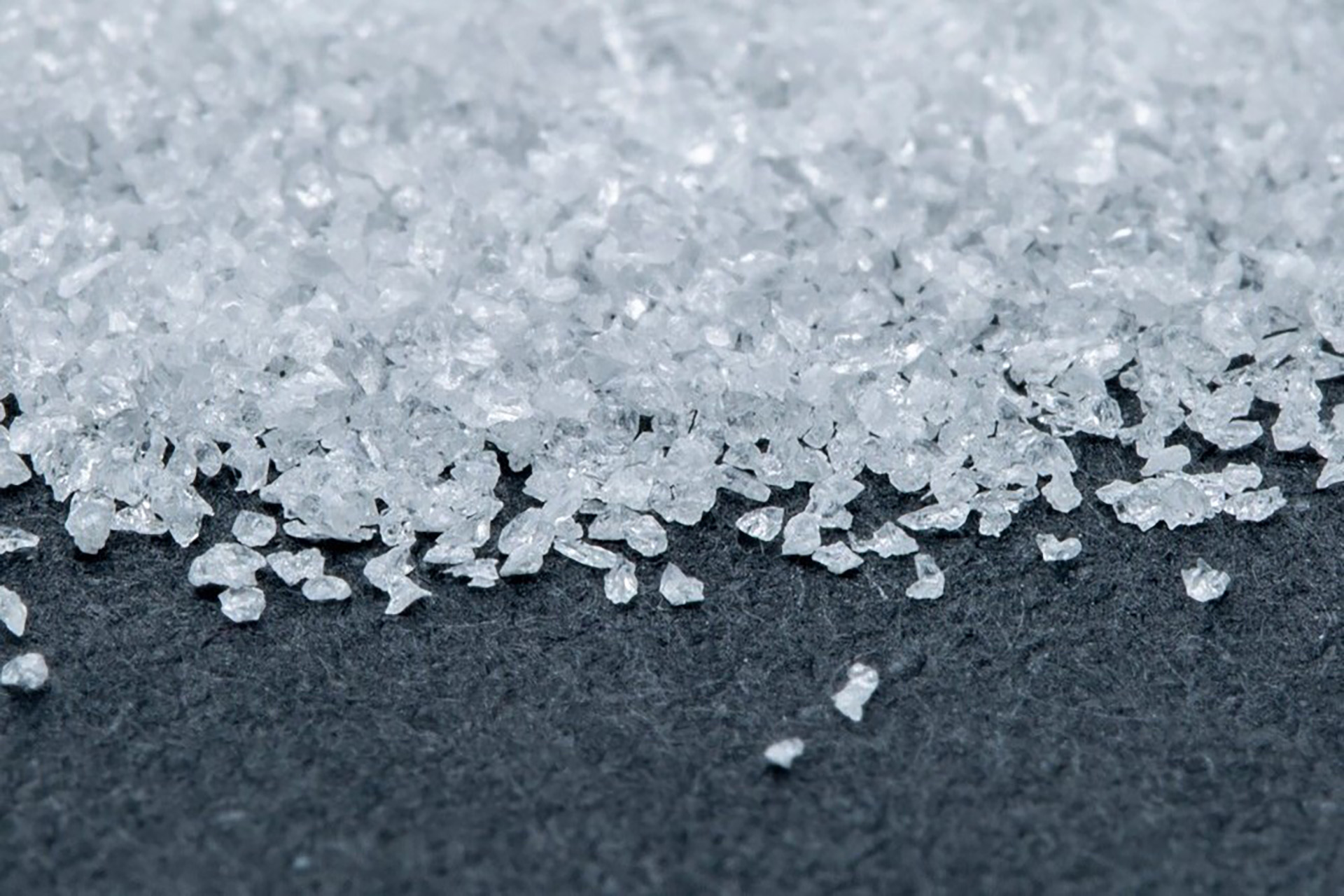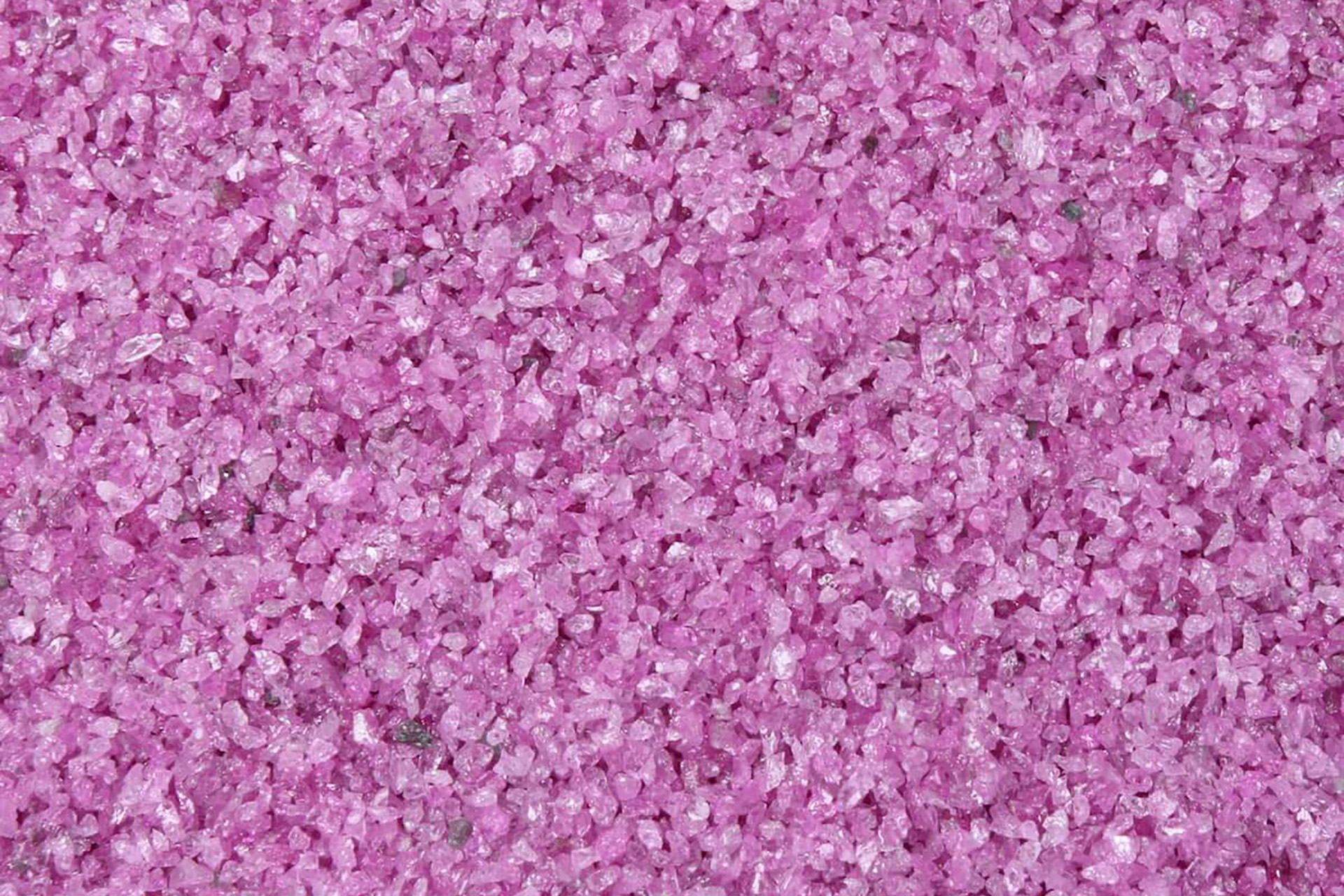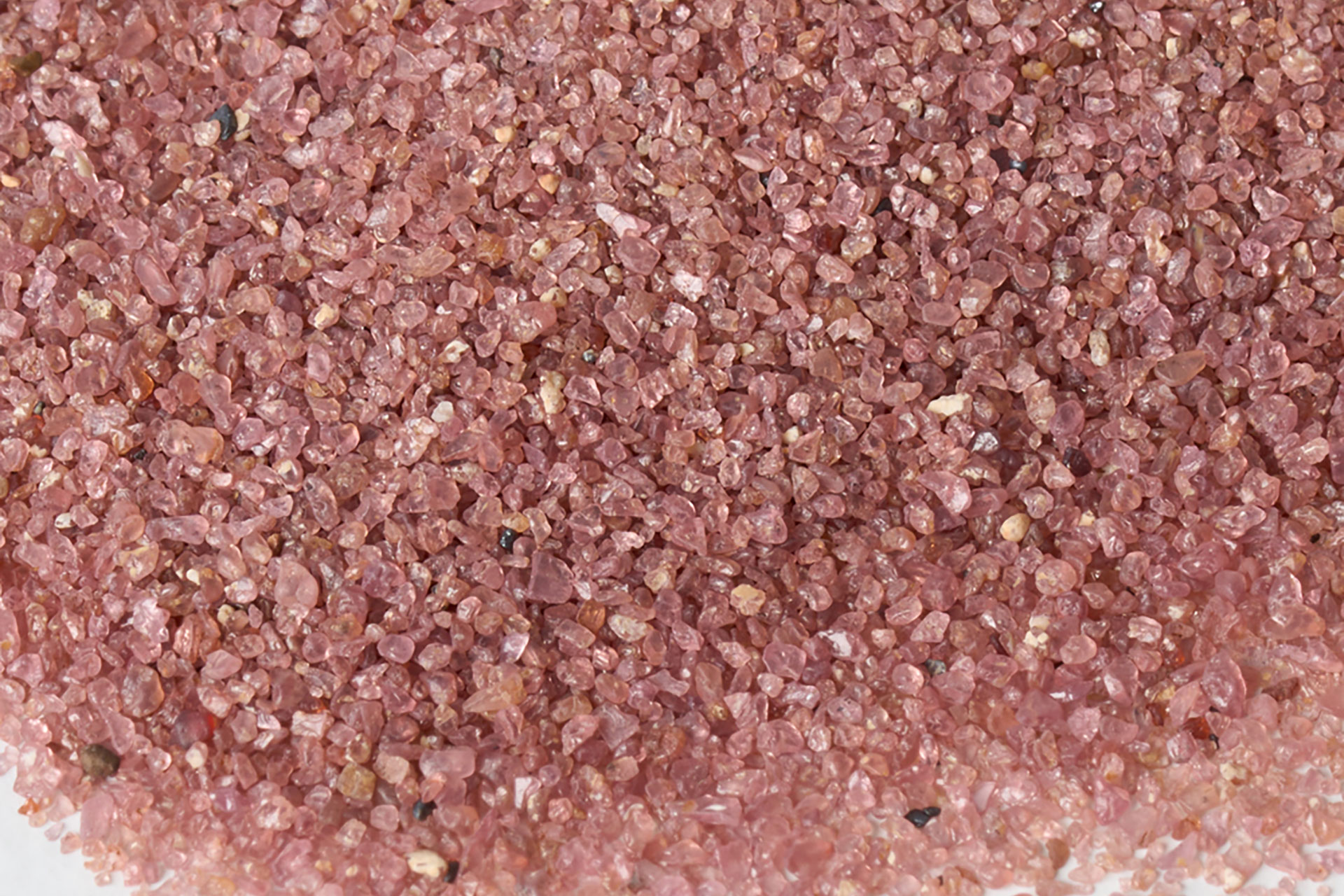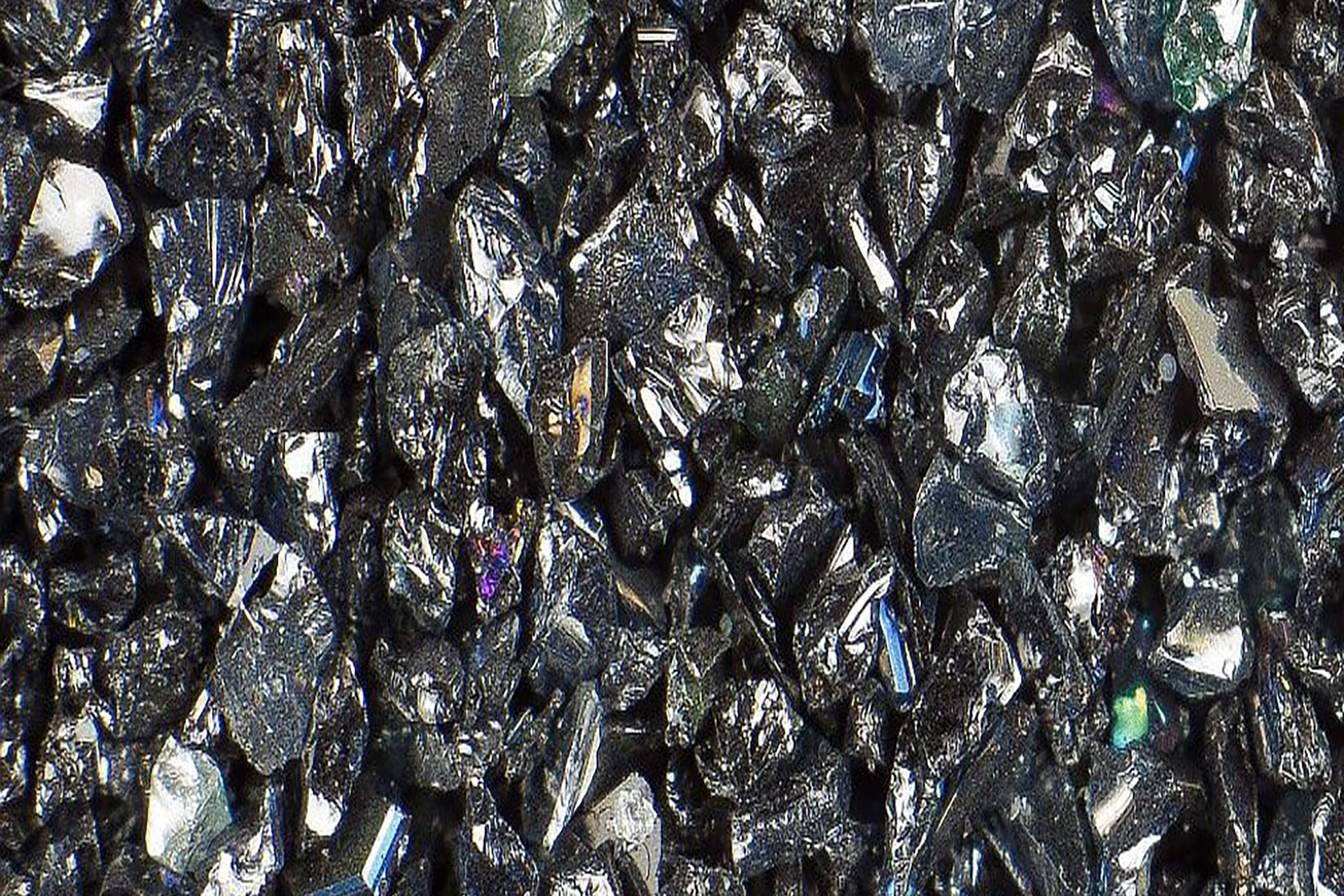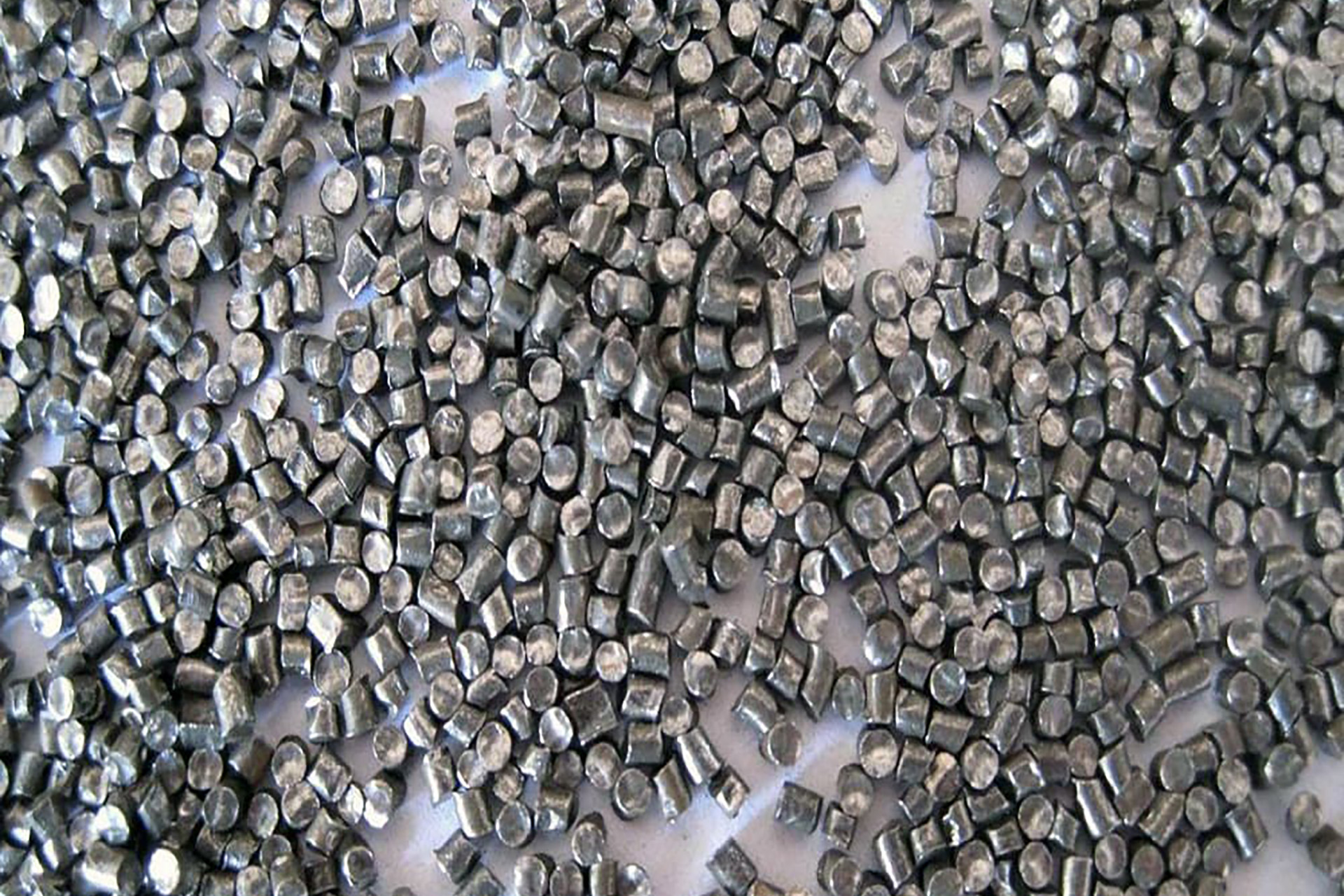

Surface treatment consumables are basically divided into two categories: abrasives and process chemicals. Abrasives are subcategorized into ceramic abrasives and plastic abrasives, while process chemicals are divided into three main groups based on their form: liquid, powder, and paste (semi-fluid). In any surface treatment process, abrasives and surface treatment chemicals are used in tandem.
Abrasives achieve the targeted surface level through mechanical action. They bring the surface to the desired roughness level by removing micro-chips from the part surface in a grinding format. In general terms, chemicals act as a lubricant to reduce friction forces, minimize wear, provide a corrosive protection effect on the part, ensure the removal of debris and cleaned residues from the surface, and clean the part surface. In addition to these factors, the geometry of the abrasive directly impacts the quality of the targeted surface treatment process. Abrasive geometry is critically important depending on the shape and complexity of the part. The holes, corners, and recesses on the part must be compatible with the shape of the abrasives.