
Here is the professional, industry-standard English translation for your technical text:
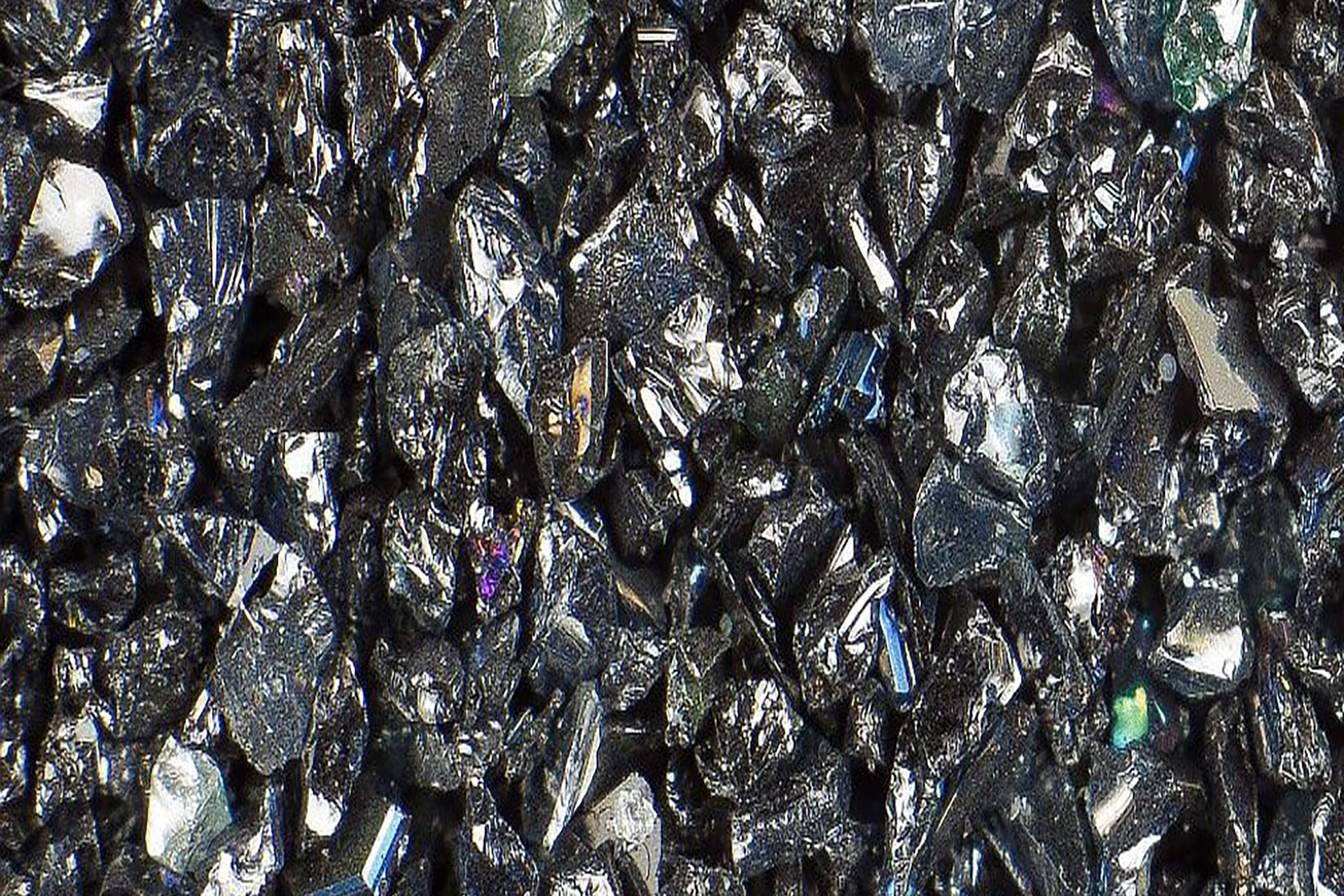
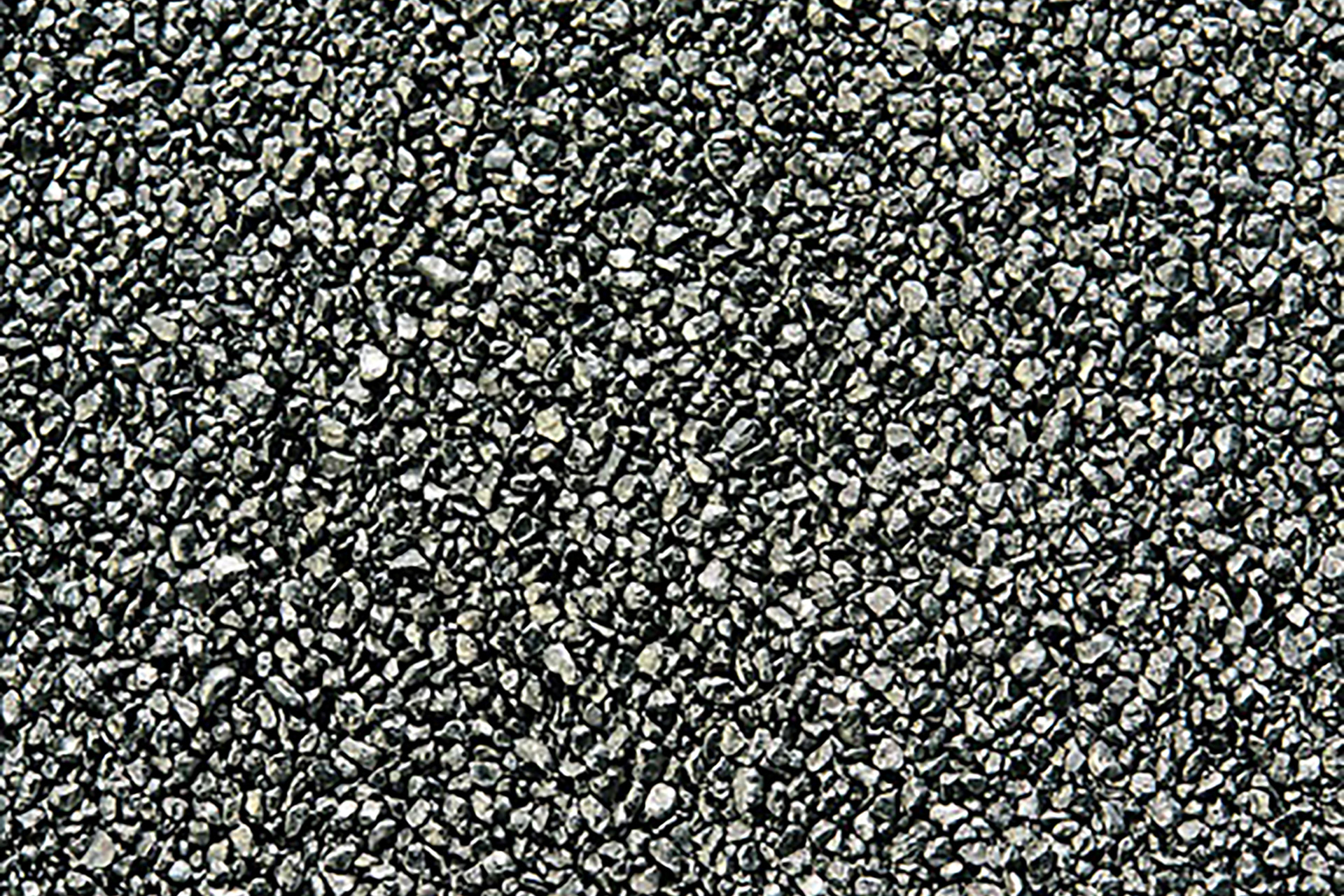
Silicon carbide is produced through the combination of silicon and carbon as two primary raw materials in electrical resistance furnaces at high temperatures. Black silicon carbide is the third hardest mineral in the world, preceded only by diamond and boron carbide. Black silicon carbide is characterized by high hardness, excellent mechanical resistance, good electrical and thermal conductivity, and a high chemical decomposition temperature. Chemically, black silicon carbide is extremely resilient and can withstand the strongest alkalis and acids. Silicon carbide is highly resistant to thermal shock and the oxidizing effects of air. Black silicon carbide is a chemical compound with a permanent and stable character. In addition to its use as a blasting media and abrasive, black silicon carbide is also utilized as an aggregate in the manufacturing of anti-slip, wear-resistant, and conductive floor coatings.
Black Silicon Carbide (SiC) is a semi-friable abrasive typically used for general abrasive applications such as bonded abrasive tools, lapping, polishing, tumbling, glass etching, and frosting. Black Silicon Carbide is manufactured from high-purity silica sand and petroleum coke in electrical internal resistance furnaces. Silicon carbide is utilized in the processing of materials such as cast iron, non-ferrous metals, glass, rubber, and similar substrates. It is widely used as an additive in refractories and within the metallurgical industry. Black silicon carbide is typically used on hard or brittle materials. Furthermore, it is employed in processes related to kiln furniture, lapping and polishing, non-wovens, tumbling, pressure blasting, anti-slip applications, electrical heating elements, aviation, composites, and similar sectors.